
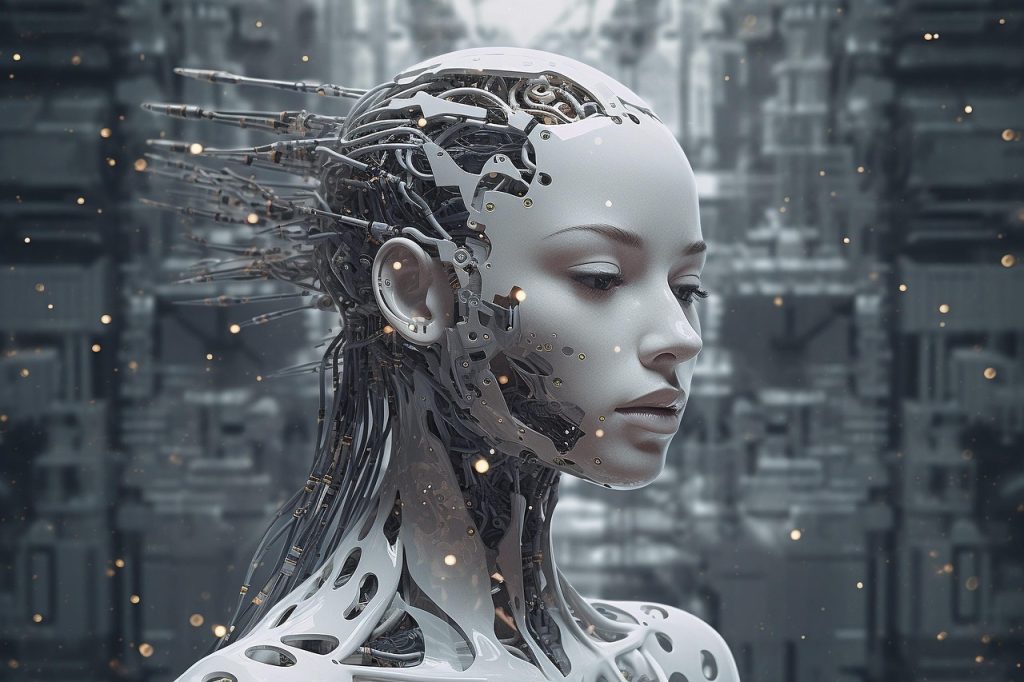
AI powered digital marketing: Hype vs. Reality
Artificial Intelligence (AI) has emerged as a trending term across various industries, and digital marketing is no different.. As businesses strive to stay ahead in a competitive landscape, many are turning to AI for innovative solutions. But how much of what we hear about AI in marketing is realistic, and how much is simply hype? In this blog, we’ll explore the difference between what’s being promised and what’s truly being delivered by AI powered digital marketing.
What the Hype Says
Marketing materials and tech vendors often paint AI as a miracle solution. According to the hype:
- AI can run your entire marketing campaign on autopilot.
- AI tools will understand your customers better than humans ever could.
- Content generation will become fully automated.
- Human marketers will soon be obsolete.
These claims might sound exciting, but they often oversimplify or exaggerate AI’s capabilities. While AI does offer incredible tools, it isn’t a magic wand. Businesses that dive in without a clear strategy or realistic expectations may find themselves frustrated rather than impressed.
What AI powered digital marketing actually Does Well?
Despite the inflated promises, AI powered digital marketing is not without real benefits. When implemented thoughtfully, AI can genuinely transform how businesses approach marketing. Here are some practical ways AI is being used today:
1. Smarter Data Analysis
One of AI’s strongest capabilities lies in processing large amounts of data. AI systems can identify trends, track performance, and uncover consumer patterns far faster than manual methods. This gives marketers valuable insights to refine their strategies and target audiences more effectively.
2. Personalized Recommendations
Ever noticed how Netflix suggests shows or Amazon recommends products that seem to match your interests? That’s AI in action. In digital marketing, AI can help deliver personalized experiences by analyzing user behavior, preferences, and past interactions. This allows brands to create tailored content, emails, or ads that speak directly to individual users.
3. Predictive Customer Behavior
AI models can forecast which users are likely to take certain actions, such as making a purchase or unsubscribing from an email list. With predictive analytics, marketers can take proactive steps—like sending reminders, offering discounts, or re-engaging users—before the customer drops off.
4. Chatbots and Customer Support
AI-powered chatbots have revolutionized customer service. These tools are available 24/7, offering instant responses to frequently asked questions. They improve user experience, reduce support costs, and free up human teams to focus on more complex queries.
5. Content Optimization
While AI can’t fully replace creative writing, it can certainly assist with content strategies. For example, AI tools can analyze which headlines are most engaging, suggest relevant keywords, and determine the best times to post on social media. Some advanced tools even assist in generating basic content drafts.
Limitations and Misconceptions of AI powered digital marketing
Even though AI powered digital marketing offers genuine advantages, it’s important to understand its limitations:
- AI is only as good as the data it’s trained on. Poor-quality data leads to inaccurate results.
- AI lacks human emotion and creativity. It can mimic tone but not genuine empathy or storytelling.
- Setup isn’t instant. It requires time, integration, and constant fine-tuning.
- Not everything should be automated. Some aspects of marketing, especially branding and emotional connection, still benefit from a human touch.
Expecting AI to work flawlessly without any oversight is one of the biggest misconceptions in the industry.
When Hype Becomes a Problem
The danger of believing the hype is that businesses might overinvest in tools they don’t understand or can’t fully utilize. Instead of helping, this could waste resources and result in ineffective marketing campaigns. The solution isn’t to avoid AI but to approach it with a balanced mindset.
Marketers should view AI powered digital marketing as a tool—not a replacement for strategy, creativity, or human insight. When used correctly, AI can enhance these elements, not eliminate them.
What the Future Holds
Looking ahead, AI will continue to evolve and integrate further into marketing strategies. We can expect smarter automation, better personalization, and more seamless customer experiences. However, AI won’t eliminate the need for marketers—it will simply change the nature of their work.
Instead of focusing on repetitive tasks, marketers will use AI to gain insights, test creative ideas faster, and deliver better results. The key will be collaboration: humans and machines working together.
Final Thoughts
There’s no denying that AI powered digital marketing has the potential to reshape the industry. But the line between hype and reality must be clearly understood. AI is not a one-click solution; it’s a sophisticated tool that needs thoughtful implementation, good data, and human direction.
Businesses that embrace AI with realistic expectations and clear goals will be better positioned to thrive in the digital landscape. It’s not about replacing marketers—it’s about empowering them